by Trinity Roofing | Commercial Roofing
Hello! If you’re a business owner or property manager, you know how crucial a reliable roof is to your commercial building. It protects not just the physical assets inside but also supports your business operations by shielding them from weather-related disruptions. I’m here to guide you through everything you need to know about commercial roofing—from selecting the right materials to understanding maintenance needs. Let’s ensure your investment is well-covered!
Choosing the Right Roofing System
When it comes to commercial roofing, there are several options available, each with its own set of benefits and considerations. Here’s a brief overview:
- Built-Up Roofing (BUR): This is one of the oldest and most reliable types of commercial roofing. It consists of multiple layers of tar and gravel which provide excellent durability and water resistance.
- Modified Bitumen Roofing: Similar to BUR, this roofing type uses layers of asphalt reinforced with fiberglass or polyester. It’s known for its strength, flexibility, and easy maintenance.
- Single-Ply Membranes (TPO, EPDM, PVC): These are sheets of rubber or other synthetics that can be ballasted, mechanically fastened, or chemically adhered to insulation creating a layer of protection on your commercial building. They are lightweight, highly reflective, and efficient at waterproofing.
- Metal Roofing: Metal roofs are favored for their longevity, durability, and ability to withstand severe weather. They can also be highly energy-efficient and offer a sleek appearance.
- Green Roofing: These provide a layer of vegetation placed over a waterproof membrane, offering insulation, reducing stormwater runoff, and improving air quality. They are increasingly popular in urban environments.

Factors to Consider When Choosing a Roofing System
Selecting the right roofing system for your commercial property involves considering several factors:
- Climate: The local weather patterns play a crucial role in determining the most suitable roofing material.
- Building Design: The architectural style and roof slope will affect which roofing types are feasible.
- Durability and Maintenance: Consider how long you want the roof to last and how much maintenance you are prepared to perform.
- Budget: Costs can vary widely between different roofing types, so it’s important to balance upfront expenses with long-term value.
Installation Process
A proper installation is critical to ensuring the longevity and effectiveness of your commercial roof. Here’s what the process generally looks like:
- Preparation: This includes removing the old roof, evaluating the roof deck for damage, and making necessary repairs.
- Insulation Layer: This is crucial for energy efficiency and is installed directly on the roof deck.
- Installation: Depending on the type of roof, this could involve several layers and methods of application.
- Finishing Touches: Ensuring all seams are sealed, and fixtures are properly flashed to prevent leaks.
[Placeholder for Image: Commercial Roof Installation]
Maintenance and Repairs
Maintaining your commercial roof is essential for maximizing its lifespan and effectiveness. Regular inspections can identify potential issues before they become costly repairs. It’s recommended to have professional inspections at least twice a year, and after major weather events.
- Routine Cleaning: Keeping debris and dirt off your roof will prevent damage and maintain the integrity of the roof.
- Prompt Repairs: Addressing minor issues promptly can prevent significant damage and extend the life of your roof.
Conclusion
Investing in a quality commercial roofing system is crucial for protecting your property and ensuring the longevity of your business operations. Understanding the options and maintenance needs can help you make an informed decision that will benefit your business in the long run.
Ready to discuss your commercial roofing needs?
Contact us today for a consultation and expert guidance on selecting the perfect roof for your business.
by VantageReach | Commercial Roofing
Maintaining a commercial roof is a crucial aspect of preserving the integrity of your business property. A well-maintained roof not only protects your investment but also ensures the safety and functionality of your commercial space. In this guide, we’ll explore essential tips for business owners to effectively maintain their commercial roofing systems.
Regular Inspections: The Foundation of Maintenance
Regular Inspections: The Foundation of Commercial Roofing Maintenance
Regular inspections form the cornerstone of an effective and proactive commercial roofing maintenance strategy. Business owners who prioritize routine checks ensure the longevity, performance, and resilience of their commercial roofing systems. Let’s delve into the significance of regular inspections and why they serve as the foundation for maintaining a commercial roof.
Early Detection of Issues
Regular inspections provide the opportunity for early detection of potential roofing issues. By conducting thorough examinations at least twice a year, business owners can identify problems such as loose or missing shingles, cracks, and leaks before they escalate. Addressing these issues promptly prevents them from evolving into more significant and costly problems that may require extensive repairs or even a full roof replacement.
Preventive Maintenance
The adage “prevention is better than cure” holds true for commercial roofing maintenance. Regular inspections allow business owners to engage in preventive maintenance measures. Identifying minor issues during inspections enables timely repairs or adjustments, preventing the need for extensive and expensive interventions later on. This proactive approach contributes to the overall health and longevity of the commercial roof.
Extending Roof Lifespan
Commercial roofs are significant investments, and ensuring their longevity is paramount. Regular inspections play a pivotal role in extending the lifespan of the roofing system. By addressing wear and tear, minor damages, and potential vulnerabilities early on, business owners can maximize the performance and durability of their commercial roofs. A well-maintained roof translates to long-term cost savings and a reduced likelihood of premature replacements.
Optimizing Energy Efficiency
The condition of a commercial roof can impact the energy efficiency of the entire building. Regular inspections help identify areas where energy efficiency may be compromised. For example, worn-out or damaged insulation, gaps, or leaks can contribute to heat loss or gain. Addressing these issues promptly during inspections ensures that the commercial space remains energy-efficient, potentially reducing utility costs and promoting sustainability.
Compliance with Warranty Requirements
Many commercial roofing systems come with warranties that include specific maintenance requirements. Regular inspections not only fulfill these maintenance obligations but also ensure that any potential warranty claims are well-supported. Failure to adhere to recommended inspection schedules and maintenance practices may void warranty coverage. Business owners who prioritize regular inspections safeguard their investment and maintain compliance with warranty stipulations.
Enhanced Safety for Occupants
A well-maintained commercial roof contributes to the overall safety of the building’s occupants. Regular inspections identify and address potential hazards, such as loose materials, weakened structures, or areas prone to leaks. Timely interventions enhance the structural integrity of the roof, reducing the risk of accidents or injuries related to roofing issues. Prioritizing safety through regular inspections is essential for creating a secure and comfortable commercial environment.
Financial Planning and Budgeting
Regular inspections provide business owners with valuable insights into the condition of their commercial roof, allowing for effective financial planning and budgeting. By anticipating potential repairs or maintenance needs through inspections, business owners can allocate funds strategically. This proactive financial approach prevents unexpected and substantial expenses, ensuring that the costs associated with commercial roofing maintenance are manageable and well-planned.
Documentation and Record-Keeping
Maintaining detailed records of regular inspections establishes a comprehensive history of the commercial roof’s care. These records include observations, repairs, and any improvements made during inspections. Documentation serves as a valuable resource for tracking the roof’s condition over time, facilitating future assessments, warranty claims, and potential property transactions.
Professional Roof Inspections: Expert Assessment
Professional Roof Inspections: Elevating Commercial Roofing Care to Expert Levels
While regular self-inspections are crucial, enlisting the expertise of professional roofing contractors for periodic assessments adds a layer of precision and knowledge that can significantly enhance the overall health of your commercial roofing system. Professional roof inspections go beyond the surface, providing expert assessment and comprehensive evaluations. Let’s explore the importance of professional roof inspections in maintaining the integrity of your commercial roof.
In-Depth Expertise and Experience
Professional roofers bring a wealth of expertise and experience to the inspection process. Their trained eyes can discern nuances and potential issues that may not be immediately apparent to an untrained observer. Years of working with various roofing systems equip professionals with the knowledge to assess the condition of different materials and identify signs of wear, damage, or aging.
Identification of Hidden Issues
Some roofing issues may lurk beneath the surface, invisible during routine inspections. Professional roof inspections involve a thorough examination that goes beyond what is visible to the naked eye. Roofers may use specialized tools and equipment to inspect areas that are challenging to access, ensuring that hidden issues such as moisture infiltration, insulation problems, or structural concerns are identified and addressed.
Comprehensive Roofing System Assessment
A commercial roofing system is a complex structure composed of various components, from the roofing material itself to flashings, vents, insulation, and drainage systems. Professional roof inspections encompass a comprehensive assessment of the entire roofing system. This holistic approach ensures that all elements are evaluated for their functionality and contribution to the roof’s overall performance.
Identification of Future Vulnerabilities
Experienced roofers can anticipate future vulnerabilities based on the current condition of the roof. They assess the remaining lifespan of roofing materials, predict potential wear patterns, and identify areas that may require attention in the coming months or years. This forward-thinking approach allows business owners to plan for future maintenance needs and allocate resources strategically.
Evaluation of Structural Integrity
Professional roof inspections include an evaluation of the structural integrity of the commercial roof. Roofers assess load-bearing capacities, the condition of support structures, and any signs of sagging or stress. Identifying structural issues early on prevents them from developing into more severe problems that could compromise the safety and stability of the entire roofing system.
Assessment of Ventilation and Insulation
Proper ventilation and insulation are critical components of a commercial roofing system. Professional roof inspections evaluate the effectiveness of ventilation systems and the condition of insulation. Ensuring adequate ventilation and insulation contributes to energy efficiency, prevents issues like moisture buildup, and enhances the overall performance of the roof in maintaining a comfortable indoor environment.
Verification of Compliance with Industry Standards
Roofing professionals are well-versed in industry standards and best practices. Professional roof inspections include a verification process to ensure that the commercial roof complies with these standards. This verification is essential for maintaining the roof’s integrity, meeting safety requirements, and adhering to local building codes and regulations.
Detailed Documentation and Reporting
Following a professional roof inspection, business owners receive detailed documentation and reports outlining the findings. These reports include observations, recommendations, and potential action plans. The comprehensive nature of professional documentation serves as a valuable resource for decision-making, budgeting, and addressing issues systematically.
Warranty Compliance and Documentation
For commercial roofs under warranty, professional roof inspections play a crucial role in compliance. Many roofing warranties have specific maintenance requirements, and failure to fulfill these obligations may void warranty coverage. Professional roof inspections provide the documentation necessary to support warranty claims, ensuring that business owners can leverage warranty benefits when needed.
Clear Debris and Maintain Cleanliness: Preventive Measures
Keep your commercial roof free of debris, as accumulated leaves, branches, and other materials can trap moisture and lead to roofing issues. Regularly clear debris to ensure proper drainage and prevent water pooling, which can cause leaks and structural damage. Additionally, maintaining a clean roof enhances its visual appeal and extends its lifespan.
Address Ponding Water: Ensure Proper Drainage
Ponding water, or water that accumulates on the roof and doesn’t drain properly, can be a significant concern for flat or low-slope commercial roofs. Ensure that your roof’s drainage systems are functioning correctly to prevent ponding water. Address any areas where water tends to accumulate promptly, as prolonged ponding can compromise the roof’s structural integrity.
Inspect and Maintain Roof Flashings: Seal Vulnerable Points
Roof flashings, including those around vents, skylights, and HVAC units, are vulnerable points that require regular inspection. Ensure that flashings are securely in place and free of damage. If you notice any issues, such as gaps or deterioration in the sealant, address them promptly to prevent water infiltration.
Gutter Maintenance: Prevent Water Damage
Commercial roofs often have extensive gutter systems designed to channel water away from the building. Regularly inspect and clean gutters to prevent clogs that can lead to water backup and damage. Ensure that downspouts are clear and direct water away from the foundation. Proper gutter maintenance is vital for preventing water-related issues on your commercial roof.
Trim Overhanging Branches: Protect Against Damage
Trees near your commercial property can pose a risk to the roof if branches extend over it. Trim overhanging branches to prevent potential damage from falling debris during storms. This proactive measure not only protects your roof but also minimizes the risk of branches causing structural damage or puncturing the roofing material.
Roof Coatings: Enhance Protection and Energy Efficiency
Consider applying roof coatings as part of your commercial roofing maintenance strategy. Roof coatings can provide an additional layer of protection against the elements, including UV rays and harsh weather conditions. Additionally, reflective coatings can enhance energy efficiency by reducing heat absorption, potentially lowering cooling costs for your commercial space.
Plan for Snow and Ice Management: Winter Preparedness
If your commercial property is in an area prone to snow and ice, plan for winter maintenance. Clear snow promptly to prevent excess weight on the roof, and address ice dams that can form along the edges. Proper winter maintenance ensures that your roof remains resilient in the face of challenging weather conditions.
Document Maintenance Activities: Establish a Record
Maintain detailed records of all commercial roofing maintenance activities. Documenting inspections, repairs, and any improvements provides a comprehensive history of your roof’s care. This record can be valuable for future assessments, warranty claims, and potential property transactions.
Conclusion
Commercial roofing maintenance is a proactive strategy that safeguards your business investment and ensures a safe and functional environment. By incorporating regular inspections, professional assessments, debris clearance, gutter maintenance, and other preventive measures into your routine, you can extend the lifespan of your commercial roof and mitigate the risk of costly repairs. Stay vigilant, address issues promptly, and collaborate with roofing professionals to create a comprehensive maintenance plan tailored to the unique needs of your commercial property. A well-maintained roof not only protects your business but also reflects a commitment to the longevity and resilience of your commercial space.
by Trinity Roofing | Commercial Roofing, Residential Roofing, Roofing Services
Are you tired of paying high energy bills every month? Have you considered harnessing the power of the sun to save money and reduce your carbon footprint? Solar roofing is a smart investment that allows you to generate clean, sustainable energy right from your roof. In this blog, we will discuss everything you need to know about solar roofing. From understanding the concept and functionality of solar roofing to significant benefits, power of solar energy, economic and technological advancements, potential drawbacks, installation process, and future sustainability. We will also help you make an informed decision by assessing geographical location, weather conditions, economic factors, ecological commitments, and contribution towards energy independence. Make the transition to solar roofs today and start saving big on your energy bills while helping the planet at the same time!
Understanding Solar Roofing
Solar roofing uses photovoltaic cells to convert solar energy into electricity, providing clean and efficient power. It offers long-term benefits for the environment and cost savings, while seamlessly integrating with traditional roofing materials. Installing solar roofing is a crucial step towards harnessing the sun’s renewable energy.

The Concept and Functionality of Solar Roofing
Solar roofing uses solar cells to convert sunlight into electricity through the photovoltaic effect. It is designed to withstand different weather conditions and requires minimal maintenance. This clean energy solution reduces carbon emissions and offers long-term cost savings, making it a sustainable choice for homeowners.
Significant Benefits of Solar Roofing
Solar roofing has several benefits for homeowners. It reduces energy costs by harnessing the power of the sun, promoting energy independence and reducing reliance on traditional sources. It also has minimal environmental impact and increases property value. Solar roofing is an important solution for combating climate change by utilizing renewable energy sources instead of fossil fuels.
The Power of Solar Energy
Solar energy is a clean and renewable source that reduces dependence on fossil fuels, lowers carbon emissions, and combats global warming. It also offers economic benefits by reducing electricity costs and saving energy. Solar energy is an effective and sustainable solution for power outages and remote locations.
How Solar Energy Works
Solar panels convert sunlight into electricity through the photovoltaic effect. Solar cells absorb solar energy, generating DC electricity that is converted into AC power by inverters for use in homes and businesses. Excess energy can be stored in batteries for efficiency during low sun exposure. Net metering allows system owners to reduce energy bills and carbon emissions by feeding excess electricity back into the grid. Harnessing solar energy offers long-term savings and environmental benefits.
The Impact of Solar Energy on the Environment
Solar energy production reduces greenhouse gas emissions, mitigating climate change and supporting a sustainable future. By decreasing reliance on fossil fuels, solar energy installations have a lower environmental impact compared to conventional sources. Harnessing the power of the sun offers benefits like energy efficiency, lower bills, and long-term sustainability.
Transition to Solar Roofs: An Investment for Future
Solar roofs offer many benefits for homeowners. They can save money on energy bills, provide a return on investment, contribute to energy efficiency, and lower carbon footprints. They also increase home value and attract buyers. However, installing solar roofs requires professional expertise and careful planning. Homeowners may be eligible for government incentives and tax credits, making the investment more appealing.
Economic Advantages of Solar Roofs
Solar roof installations offer numerous benefits, including long-term cost savings by reducing energy bills over the system’s lifespan. Homeowners can take advantage of tax incentives and government incentives to lower installation costs. Additionally, solar roof installations increase property value, providing potential economic benefits. By harnessing solar energy, homeowners can enjoy energy efficiency and lower long-term energy costs while contributing to lower carbon emissions.
Technological Advancements in Solar Roofs
Solar panel efficiency has improved in recent years, leading to increased energy generation. Innovative designs and materials enhance performance. Battery storage technology allows for energy storage, increasing independence. Smart solar roof technology optimizes energy usage. Integrated solutions improve aesthetics. These advancements offer benefits such as energy efficiency and cost savings.
Potential Drawbacks of Solar Roofing
Solar roofing has several benefits, but it’s important to consider potential drawbacks. The initial installation cost can be higher than traditional roofing. Maintenance is necessary for optimal energy generation, including panel cleaning. Weather conditions can affect solar power output, resulting in lower production on cloudy days. Property modifications like reinforcing the roof may be needed. Solar roofs may not be suitable for locations with limited sun exposure.
Initial Installation Costs
Solar roofing installation costs vary based on system size, complexity, and location. Though upfront costs may seem high, long-term energy bill savings can offset the investment. Government incentives and tax credits are available to lower installation costs. Sun exposure and geographic location also affect costs. Consider potential energy savings and a solar roof’s long lifespan when evaluating installation costs.
Efficiency Concerns
Solar roofing technology has advanced, improving energy output and efficiency. Choose panels with high efficiency within your budget. Weather conditions and location impact solar system efficiency. Battery storage enhances efficiency by storing excess energy. Regular panel maintenance ensures optimal energy generation. Solar roofing offers benefits like energy efficiency and lower energy bills.
Aesthetic Considerations
Solar roofing options have improved aesthetically, with panels that seamlessly blend into the roof’s design. Some installations integrate the panels into the roof, making them less noticeable. Furthermore, choosing solar roofing can increase property value and appeal to potential buyers. It’s crucial to consider the overall appearance and personal preferences when selecting solar roofing. Consulting with a professional will provide insight into the various aesthetic options available for installation.
The Installation Process of Solar Roofs
Installing solar roofs starts with assessing energy consumption and solar capacity. Photovoltaic panels are then placed on the roof to convert solar energy into electricity. An inverter is installed to convert the generated energy for use. Roof reinforcement may be necessary for structural integrity. Professional installation ensures efficiency and durability of the system.
Necessary Conditions for Installing Solar Roofs
Solar roofing installation requires unobstructed sun exposure, preferably from the south. The roof’s orientation impacts energy generation potential. A well-maintained roofing system is necessary as solar panels are directly installed on it. Geographical location and weather patterns affect solar capacity. Installation is most beneficial for properties with high energy consumption. Consider these conditions for successful solar panel installation, leading to long-term energy efficiency and lower bills. Solar roofing offers many benefits when installed correctly.
The Timeframe of Installation
Solar roofing panels can be installed in just a few days, depending on the system size and complexity. Permitting and inspection processes may affect the overall timeframe, which varies by location. Consider installation time when planning solar roofing, especially for time-sensitive energy savings goals. Availability of professionals and weather conditions can also impact installation, so scheduling is important. Consult with solar roofing companies for an accurate estimate based on your situation.
Future of Solar Roofs: Innovation and Sustainability
Solar roofing is poised for innovation with advancements in technology and energy solutions. Solar roof tiles offer more installation options, while battery storage integration enhances energy independence. This sustainable solution reduces emissions and reliance on traditional energy sources. Ongoing research aims to improve energy generation, cost savings, and environmental benefits.

Emerging Technologies in Solar Roofing
Solar roofing technologies are revolutionizing how we harness solar power. Solar roof tiles are both aesthetically appealing and energy-generating. Improved solar cell designs capture sunlight from multiple angles, increasing energy output. Installation techniques using adhesive materials simplify the process and lower costs. Ongoing research aims to create more efficient, durable, and cost-effective solar roofing materials. Smart technology integration enables better monitoring, control, and energy optimization.
The Role of Solar Roofs in Sustainable Living
Solar roofing reduces the carbon footprint by using clean energy sources instead of fossil fuels. It produces renewable energy, lowering the environmental impact of traditional sources. Solar roofing lowers electricity bills, provides cost savings, and promotes a sustainable future with cleaner energy.
Making the Decision: Is Solar Roofing Right for You?
Considering the potential energy and cost savings, evaluate your property’s sun exposure and energy consumption. Research government incentives and consult solar roofing professionals to assess feasibility, generation potential, and aesthetic considerations. Also, consider the environmental impact of solar roofing for sustainable living.
Assessment of Geographical Location and Weather Conditions
To effectively use solar technology, assess location and weather. Factors like sun exposure, climate patterns, and solar potential impact energy production. Understanding these aspects ensures panel efficiency, aids maintenance planning, and enhances durability. Assessing location maximizes the benefits of solar roofing, including energy efficiency and lower bills. Considering weather conditions is crucial for long-term system performance and sustainability.
Analysis of Economic Factors and Ecological Commitments
Solar roofing offers numerous benefits, including long-term cost savings on electricity bills and lower energy bills. Investing in solar panel installation not only reduces your carbon footprint but also contributes to environmental benefits by reducing greenhouse gas emissions. Additionally, tax incentives and credits can help lower installation costs and increase economic benefits. Embracing solar energy aligns with global efforts to combat climate change, promoting both economic and ecological commitments.
How Can Solar Roofing Contribute to Energy Independence?
Solar roofing plays a crucial role in promoting energy independence. By harnessing the power of the sun, it reduces our dependence on traditional energy sources. With solar panels generating electricity and battery storage ensuring power during outages, we can increase our energy resilience. Additionally, solar installations help lower energy consumption, leading to long-term savings. The potential of solar roofing technology is immense for future generations.
Conclusion
In conclusion, solar roofing is a sustainable and cost-effective solution for harnessing the power of the sun and reducing energy costs. With technological advancements and emerging innovations in solar roofing, it is becoming an increasingly viable option for homeowners and businesses alike. While there may be initial installation costs and aesthetic considerations to take into account, the long-term economic advantages and environmental benefits make solar roofing a worthwhile investment. Before making the decision to transition to solar roofs, it is important to assess the geographical location, weather conditions, and economic factors specific to your situation. If you are interested in exploring solar roofing further, feel free to get in touch with our team for more information and assistance.
by Trinity Roofing | Commercial Roofing, Residential Roofing, Roofing Services
Your roof is one of the most important components of your home. It protects you and your family from harsh weather conditions, keeps your home energy-efficient, and enhances the overall look of your property. But how do you ensure that it stays in top-notch condition? The answer is simple – regular roof inspections. In this blog, we will discuss the importance of these inspections in maintaining a healthy roof, the financial benefits they offer, and when you should schedule them. You’ll also learn about what a professional roof inspection entails and different types of inspections that can be performed. Lastly, we will provide you with tips to prepare for an inspection so that you can get the most out of it without any disruptions to your daily routine.
Understanding the Importance of Roof Inspections
Regular roof inspections are crucial for maintaining the overall condition of your roof. By identifying potential problems before they escalate into major damage, inspections can save you from costly roof repairs. Professionals provide unbiased information about your roof’s condition, giving homeowners peace of mind. These regular inspections also ensure the longevity of your roof, making them one of the best ways to protect your investment. Knowing the next steps to take after a big storm or when to schedule a new roof installation can also be determined through inspections.

The Role of Regular Inspections in Maintaining a Healthy Roof
Regular roof inspections play a crucial role in maintaining the health of your roof. By identifying and addressing small issues early on, inspections prevent them from turning into major problems. During inspections, professionals look out for signs of damage like missing shingles or water stains, in addition to uncovering hidden issues such as leaks or mold that may go unnoticed. Timely repairs made possible by regular inspections can save you money in the long run and provide peace of mind, knowing that your roof is in good hands.
The Financial Benefits of Regular Roof Inspections
Regular roof inspections offer a range of financial benefits for homeowners. By identifying necessary repairs early on, inspections can save you money on costly roof repairs in the future. They also help prevent water damage caused by roof leaks, which can result in expensive repairs and mold remediation. Additionally, catching roof damage early can prevent the need for a full roof replacement, saving you thousands of dollars. Moreover, professional roof inspections provide important information for insurance claims, ensuring you receive adequate coverage. Lastly, regular inspections help maintain the value of your home by keeping your roof in good condition.
When Should You Schedule a Roof Inspection?
The ideal time to schedule a roof inspection is after a major storm or high winds. It’s also recommended to have regular inspections at least once a year, regardless of any visible damage. Water stains on the ceiling and the age of the roof are other indicators that an inspection may be necessary. Additionally, when buying or selling a home, a roof inspection is crucial during the home inspection process.
Best Times of the Year for a Roof Inspection
Spring and fall are ideal seasons to schedule roof inspections as they follow major storm seasons. It’s best to avoid extreme weather conditions like high winds or heavy rain when booking an inspection. For roofs prone to heat damage, consider scheduling in the summer. In areas with harsh winters, fall inspections are recommended before snowfall. Whenever roof damage is suspected, it’s crucial to schedule an inspection promptly.
Indicators That Your Roof Needs Immediate Inspection
If you notice missing shingles on your roof, it’s a clear indication that you should consider getting a professional inspection. Another sign to look out for is water stains on your ceiling, as they often indicate roof damage that needs to be addressed. Additionally, if your roof is more than 20 years old or if there are any signs of mold, moisture, or ventilation issues in your attic, it’s essential to schedule a roof inspection. Lastly, if you’ve recently experienced a major storm or high winds, it’s crucial to have your roof inspected for any potential damage.
What Does a Professional Roof Inspection Entail?
A professional roof inspection encompasses both interior and exterior assessments. The interior inspection identifies signs of damage like water stains or insulation issues. The exterior inspection examines the condition of your roof, including shingles, flashing, gutters, and more. Drone inspections may also be used for a comprehensive evaluation.
A Look into the Interior Roof Inspection Process
During an interior roof inspection, a professional inspector examines your attic for signs of roof damage, moisture, mold, insulation, and ventilation issues. They look for water stains, rust, or signs of mold that may indicate roof damage. The inspector also assesses insulation levels and ventilation to ensure optimal roof condition. This thorough inspection provides valuable information about your roof’s health and any potential issues that need attention, giving you peace of mind.
Delving into the Exterior Roof Inspection Procedure
During an exterior roof inspection, a professional inspector thoroughly examines the various components of your roof’s exterior, including shingles, flashing, gutters, and siding. The purpose of this inspection is to check for any missing shingles, signs of damage, rust or deterioration of flashing, and any damage to gutters and siding. It is important to understand that the condition of your roof’s exterior plays a crucial role in protecting your home from potential water damage, mold, and other issues. By conducting thorough inspections of your roof’s exterior, professionals provide unbiased information that can help you identify and address any necessary repairs or replacements. This ultimately ensures that your roof remains in good condition, safeguarding your home from any potential damage.
The Different Types of Roof Inspections
Regular roof inspections are essential for maintaining the condition of your roof. These routine inspections help identify various issues, such as damage, water stains, missing shingles, and ventilation problems, which can significantly impact the longevity of your roof. Additionally, professional inspections following major storms or high winds can assess storm damage and determine the necessary repairs. Insurance companies may also require inspections to evaluate the roof’s condition and estimate repair or replacement costs. Specialized inspections, like drone inspections, provide a comprehensive assessment, revealing hidden damages not visible from the ground.

Understanding Physical Roof Inspections
A physical roof inspection provides unbiased information about the condition of your roof. Regular inspections can catch signs of damage early, preventing the need for major repairs. Hiring a professional for a thorough roof inspection gives you peace of mind, knowing that your roof is in good condition. Insurance companies often require roof inspections before approving claims for storm damage. Don’t wait for water stains to appear; get a comprehensive roof inspection to detect roof leaks early.
The Advantages of Drone Roof Inspections
Drone roof inspections offer numerous advantages for homeowners. By providing a detailed, high-resolution view of the roof, they enable a thorough assessment of its condition. The use of drones eliminates the need for physical contact during inspections, reducing the risk of damage. This is particularly beneficial for large or complex roofs, saving time and improving accuracy. Drone inspections can detect missing shingles, damage, or water stains, even in hard-to-reach areas. Moreover, they are often more cost-effective compared to traditional physical inspections.
Exploring Infrared Roof Inspections
Exploring Infrared Roof Inspections can provide valuable insights into the condition of your roof. With the help of infrared technology, these inspections can detect moisture, insulation, and ventilation issues without the need for physical contact. This method also enables the identification of hidden roof damage, such as mold or water damage, which may not be visible to the naked eye. Infrared roof inspections can also help identify areas of heat loss, improving energy efficiency and potentially saving you money in the long run. Professional roofing contractors often rely on infrared inspections to provide unbiased information about your roof’s condition.
How to Prepare for a Roof Inspection?
Preparing for a roof inspection is essential to ensure a smooth and efficient process. Clear any debris, trim overhanging branches, and provide access to the attic. Share information about past repairs and make note of any concerns. This will help the inspector assess your roof thoroughly.
Preparing Your Home for an Inspection
To ensure a smooth roof inspection process, there are a few key steps you can take to prepare your home. Start by cleaning your gutters and downspouts to prevent water damage and allow for proper water drainage. Check the flashing around chimneys, vents, and skylights to ensure they’re secure and leak-free. Take a look at the exterior of your home for any signs of roof damage, such as missing shingles or rusted flashing. Additionally, inspect your attic for signs of moisture, mold, or insulation problems, as these can indicate roof issues. Lastly, clear your attic of any stored items to create easy access for the roof inspector.
Are Roof Inspections Disruptive?
Roof inspections are not disruptive and can be done quickly, minimizing any inconvenience. Trained professionals work efficiently and take necessary precautions to protect your home during the inspection process. Investing in regular inspections can save you stress and money in the long run.
Conclusion
In conclusion, regular roof inspections are crucial for maintaining the health and longevity of your roof. They not only help identify potential issues early on but also save you from costly repairs in the long run. By scheduling inspections during the recommended times of the year and being proactive in identifying indicators that your roof needs immediate attention, you can ensure that your roof remains in optimal condition. Whether it’s a physical inspection, a drone inspection, or an infrared inspection, each type has its own advantages and can provide valuable insights into the condition of your roof. If you’re unsure about when to schedule a roof inspection or have any questions, don’t hesitate to get in touch with our roofing experts for guidance and assistance.
by Trinity Roofing | Commercial Roofing, Residential Roofing, Roofing Services
A roofing warranty is a crucial aspect of any roofing project. It is essential to understand the terms and conditions of your warranty to ensure that you are protected in case of an issue. In this blog post, we will walk you through everything you need to know about roofing warranties. We will decode the key terms used in warranties, explore different types of warranties available, and guide you through the registration process. We will also discuss common pitfalls that can void your warranty and how you can avoid them. Lastly, we will emphasize the value of consulting with a roofing expert who can help you understand your warranty better and ensure that your roof stays protected for years to come.
Decoding Roofing Warranties
When it comes to understanding roofing warranties, it’s important to decode the coverage and conditions they offer. Knowing the type of warranty your roofing contractor provides can bring you peace of mind. Before making a decision, familiarize yourself with the fine print and duration of different roofing warranties. It’s also crucial to learn about potential problems that may void the warranty. By taking a closer look at these details, you can make informed choices for your next roofing project.

The Importance of Roofing Warranties
Roofing warranties play a crucial role in providing protection and peace of mind for your new roof installation. They offer coverage against defects in materials or workmanship, saving you from potentially costly repairs. Moreover, warranties ensure the longevity of your roofing system, giving new homeowners the assurance of a reliable roof. By having a warranty, you can trust that your roof is safeguarded, allowing you to focus on enjoying your home without worrying about unexpected roofing issues.
Key Terms in Roofing Warranties
Understanding the key terms in roofing warranties is crucial when it comes to protecting your investment. Start by familiarizing yourself with the warranty period, which specifies the length of time the roofing material warranty will cover you. Differentiating between manufacturer warranties and contractor warranties is important as they may have varying degrees of coverage. Additionally, it’s essential to understand the level of protection workmanship warranties provide. Take a closer look at the terms and conditions of the warranty coverage, including any exclusions and conditions, to make informed decisions for your next roofing project.
Exploring Different Types of Roofing Warranties
Roof warranties come in different types, each offering specific coverage. A manufacturer’s material warranty protects against defects in roofing materials, while a workmanship warranty covers installation errors and poor workmanship. Extended service agreements provide additional coverage beyond the standard warranty. It’s important to note that each type of warranty has its own duration and coverage requirements. Before deciding on an extended warranty, weigh the costs and benefits. Explore the various options available to ensure you choose the right warranty for your next roofing project.
Manufacturer’s Material Warranty
Manufacturer warranties provide coverage for defects in the roofing material. Familiarize yourself with the manufacturer’s requirements for warranty coverage, including the duration of the warranty period and any conditions that may void the warranty. Proper maintenance of the roofing material is essential to maintain warranty coverage. By understanding the terms of the manufacturer’s material warranty, you can ensure the longevity and protection of your roofing system. When considering your next roofing project, it’s important to take a closer look at the manufacturer’s material warranty to make an informed decision.
Workmanship Warranty
A workmanship warranty provides coverage for installation errors and poor workmanship. It is essential to understand the duration of the workmanship warranty period to ensure proper coverage. Regular inspections and maintenance play a crucial role in maintaining warranty coverage. Familiarize yourself with the conditions that may void the workmanship warranty to avoid any potential issues. Make sure that your chosen installation contractor provides a workmanship warranty for your peace of mind.
Extended Service Agreements and Their Benefits
Extended service agreements go beyond standard warranties, offering additional coverage. However, it’s crucial to understand the associated costs. One benefit of extended warranties is that they can cover labor costs for repairs during the warranty period. It’s important to familiarize yourself with the requirements, conditions, and duration of these warranties. When considering an extended warranty, evaluate the level of protection it provides. By doing so, you can make an informed decision for your next roofing project.
Navigating the Registration Process for Roofing Warranties
Proper roof installation is crucial when it comes to registering your warranty. Make sure you understand the requirements and steps involved in the process to ensure a successful registration. Timelines and documentation play an important role, so be sure to follow them diligently. It’s also important to adhere to the manufacturer’s guidelines for warranty registration. By registering your warranty, you can ensure that the coverage will be in effect for the specified period of time.
The Role of Proper Installation in Warranty Registration
Proper installation is crucial when it comes to warranty registration for your roofing system. It is important to follow the manufacturer’s installation requirements to ensure warranty coverage. Hiring an experienced roofing contractor who follows industry standards is essential. Documenting the installation process is also a crucial step in warranty registration. Keep in mind that improper installation can potentially void your warranty coverage. So, make sure to prioritize proper installation for peace of mind and long-term protection.
Timelines and Documentation for Warranty Registration
Familiarize yourself with the timelines for warranty registration and keep records of the installation documentation. Submit the required documentation within the specified time period to avoid voiding your warranty coverage. Late or incomplete warranty registration can result in a loss of coverage. If you need guidance on warranty registration, don’t hesitate to contact the manufacturer or your roofing contractor. By following these steps, you can ensure that your warranty remains valid for the duration of its coverage.
Common Pitfalls that Can Void Your Roofing Warranty
Neglecting regular inspections may result in voided warranty coverage. It is important to schedule routine inspections to identify any potential issues early on. Using non-approved roofing materials can also void your warranty, so be sure to check with your roofing manufacturer or contractor for approved materials. Additionally, failing to maintain your roof according to the manufacturer’s requirements can void the warranty. It is crucial to follow their guidelines for cleaning, repairs, and maintenance. Finally, delayed claims can impact your warranty coverage, so make sure to file any necessary claims promptly. Lastly, poor workmanship during installation can void your warranty, so it is essential to choose a reputable roofing company to ensure proper installation.

Inadequate Maintenance and Its Consequences
Neglecting regular inspections and maintenance can have costly consequences for your roof. Failure to perform regular maintenance may even void your warranty coverage, leaving you responsible for expensive repairs. Ignoring signs of damage can also result in a voided warranty, putting the burden of repair costs on your shoulders. Inadequate maintenance can further reduce the overall longevity of your roof, leading to the need for premature roof replacement. Additionally, it’s important to note that inadequate maintenance can void warranties specifically for flat roofs.
Risks of Using Non-approved Roofing Materials
Using non-approved roofing materials can have significant risks and consequences. One of the most critical concerns is that it can void warranty coverage. When you choose roofing materials that do not meet the manufacturer’s requirements, you run the risk of rendering your warranty invalid. Additionally, non-approved materials can lead to poor workmanship warranties, leaving you vulnerable to subpar installations or repairs. Moreover, using non-approved materials may also void coverage for hail damage, leaving you to bear the costs alone. It is crucial to use approved roofing materials to ensure that your warranty coverage remains intact throughout the years of coverage.
The Impact of Delayed Claims on Your Warranty
Failing to file claims promptly can void warranty coverage, impacting your protection. Delayed claims may result in additional labor repair costs and can lead to costly repairs that are not covered by the warranty. It is crucial to report damages in a timely manner to avoid voiding warranty coverage. Don’t let the delay of a claim jeopardize the benefits of your roofing warranty. Take action promptly to protect your investment.
The Value of Consulting with a Roofing Expert
Consulting with a roofing expert can provide invaluable assistance when it comes to understanding the fine print of roof warranties. These professionals have a deep understanding of the warranty terms and conditions and can help you make well-informed decisions about the coverage options available to you. They will ensure that all the necessary conditions are met, giving you peace of mind and maximizing the benefits of your warranty. Additionally, a roofing expert can guide you through the entire warranty process, providing guidance and support for your next roofing project.
How Can a Roofing Professional Help You Understand Your Warranty?
Roofing professionals play a crucial role in helping you understand your warranty. They can explain the coverage duration, clarify the warranty conditions, and identify potential issues that might void the warranty. Additionally, they provide guidance on maintenance requirements and help you choose the best warranty for your roofing system.
Conclusion
In conclusion, understanding roofing warranties is essential for protecting your investment and ensuring the longevity of your roof. It’s important to grasp the key terms and different types of warranties available to make an informed decision. Proper installation and regular maintenance play a crucial role in maintaining the validity of your warranty. Avoid common pitfalls such as using non-approved materials or delaying claims, as these can void your warranty. Consulting with a roofing expert can provide valuable insights and guidance throughout the process. If you have any questions or need assistance with your roofing warranty, don’t hesitate to get in touch with our team of professionals.
by Trinity Roofing | Commercial Roofing, Roofing Services
Roofing is a dangerous job, and every year countless workers are injured or killed while working on roofs. Even if you are a DIY enthusiast who loves to work on home repairs, it is important to keep yourself safe while working on your roof. In this blog, we will discuss the various risks associated with roof work and ways to minimize them. We’ll also talk about the essential safety equipment that every roofer should have, such as safety harnesses and protective gear. Additionally, we will cover the preparations that you need to make before starting roof work and best practices for staying safe while working on your roof. So let’s get started and explore how you can stay safe while working on your roof.
Identifying Risks in Roof Work
Before starting any roof work, it is crucial to recognize potential safety hazards. Assessing the weather conditions is essential to ensure safe working conditions. Identifying power lines and taking necessary precautions can help avoid dangerous contact. Evaluating the stability and safety risks of roof materials is also important. Additionally, it is vital to take safety guidelines and procedures into consideration to prevent accidents. By being aware of these safety precautions, both roofing contractors and homeowners can minimize the risk of injuries and create a safer workplace.
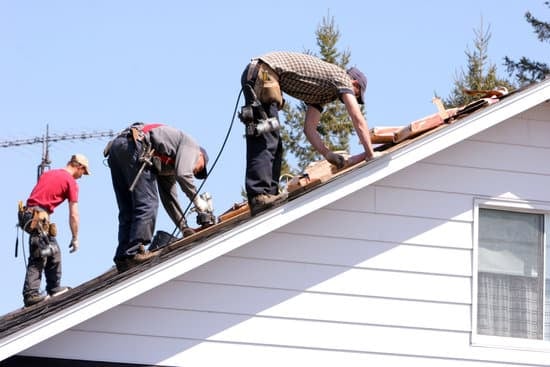
Common Hazards when Working on Roofs
When working on roofs, there are several common hazards to be aware of. One major concern is the risk of slipping on slippery surfaces, especially when working in wet conditions. Additionally, it’s important to watch out for roof vents, skylights, and other points of contact that can cause accidents. Paying attention to foot traffic and the work area can help prevent injuries to yourself and others. It’s also crucial to be aware of common accidents such as falling, tripping, or coming into contact with roofing materials. Following safety precautions and guidelines is essential to minimize the risk of injuries.
Typical Injuries from Roofing Accidents
When working on your roof, it’s essential to understand the potential injuries that can occur from accidents. Falls from heights are a common cause of injuries, so taking safety precautions is crucial. Head injuries, fractures, and lacerations are among the typical injuries in roofing accidents. To prevent these injuries and fatalities, it’s important to stay informed about safety guidelines and take necessary safety precautions. By being mindful of these risks and following proper safety measures, you can reduce the risk of accidents and protect yourself while working on your roof.
Essential Safety Equipment for Roofers
To ensure roofing safety, it’s crucial for roofers to use the essential safety equipment. A proper safety harness and fall protection system should be utilized to prevent falls and reduce the risk of injuries. Additionally, wearing personal protective equipment such as a hard hat, safety glasses, and gloves is necessary to protect against potential hazards. The right footwear with good traction is also important to prevent slips and falls. It’s essential to have roof anchor points, lanyards, and harnesses in place for added safety. By following these safety precautions and using the appropriate equipment, roofers can minimize the risk of accidents and work more safely.
Importance of a Safety Harness and Fall Protection Systems
Safety harnesses and fall protection systems are crucial for ensuring the safety of roofers while working at heights. These essential safety precautions help prevent falling accidents and minimize the risk of injuries. By using a personal fall arrest system, roofers can adhere to safety guidelines and protect themselves from potential hazards. A roof safety harness is a necessary piece of equipment that should be used in conjunction with other fall protection systems to ensure the utmost safety while working on roofs.
Protective Gear for Personal Safety
When working on your roof, it’s essential to prioritize your personal safety by wearing the right protective gear. Safety precautions should always be taken into consideration to minimize the risk of injuries. Start by wearing a hard hat to protect your head from falling objects. Safety glasses are crucial to shield your eyes from debris and potential eye injuries. Additionally, gloves provide protection against cuts, abrasions, and chemical hazards. Lastly, proper footwear, such as work boots, ensures traction and foot protection while working on your roof.
Preparations Before Starting Roof Work
Before you begin any roof work, it is crucial to ensure that proper safety measures are in place. Take necessary precautions to create a safe work area by inspecting the roof for signs of damage or safety hazards. Clear the roof of debris to ensure proper footing and work conditions. Follow safety guidelines, including the use of a proper ladder and regular roof inspections. By taking these safety precautions, you can minimize the risk of injuries and create a safer working environment.

Making Your Roof Area Safe for Work
When working on your roof, it’s crucial to take safety precautions to create a secure work environment. Start by securing the perimeter of the roof area to prevent accidents and falls. Use caution signs and barriers to clearly indicate that work is in progress. Additionally, make sure to check the gutter lines and repair any damage to ensure safe roof work conditions. Implementing safety procedures is essential for protecting worker safety during roof work. By following these steps, you can make your roof area safe for work.
Importance of Roof Stability Inspection
Regularly inspecting the stability of your roof is crucial for ensuring safety while working on it. These inspections help identify potential hazards such as damage, deterioration, or structural issues that could lead to accidents and injuries. By maintaining the stability of your roof, you reduce the risk of injuries and create a safer workplace. Follow safety guidelines provided by roofing contractors and take necessary precautions to prevent accidents. It’s important to have a proactive mindset when it comes to roof stability inspections.
Best Practices for Safe Roof Work
When working on your roof, it is essential to follow best practices for safety. Adhering to OSHA safety guidelines and regulations is crucial to minimize the risk of injuries. Make sure to use proper safety equipment, tools, and materials, including a safety harness and fall protection systems. Practice caution by maintaining proper footing and using a metal ladder instead of fiberglass. Stay informed about safety precautions and have a safety mindset while working on your roof. By following these safety tips, you can ensure a safe roofing experience.
Maintaining Three Points of Contact
When you’re working on your roof, it’s crucial to maintain three points of contact at all times. This means having both feet and at least one hand firmly secured to the surface. By doing so, you can prevent unnecessary slips and falls. Additionally, make sure to use proper safety equipment like safety harnesses for fall arrest. Be mindful of power lines and maintain a safe distance to avoid electrical hazards. Always follow safety procedures and guidelines to minimize the risk of injuries. Take the necessary precautions to protect yourself and others.
How to handle emergencies while working on your roof?
In case of emergencies while working on your roof, it is important to be prepared. Familiarize yourself with emergency procedures and keep safety equipment readily accessible. Stay updated on safety guidelines and contact emergency services immediately if needed.
Conclusion
Roofing safety should always be a top priority when working on your roof. Identifying potential risks and hazards, wearing the right safety equipment, and making necessary preparations are crucial steps to ensure your well-being. Always remember to maintain three points of contact and be prepared for emergencies. If you have any questions or need assistance with your roofing project, don’t hesitate to get in touch with us. Your safety matters to us, and we are here to help you stay safe while working on your roof.


